
Popular Tree Removal Products for Safe and Effective Work
Discover reliable tools and accessories that help you perform tree removal tasks with confidence and precision.
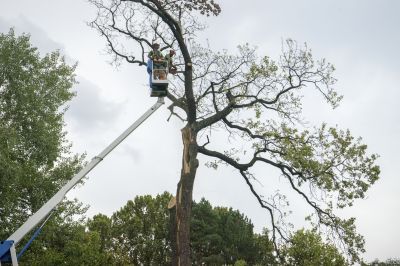 Tree removal is a significant task that requires the right tools and equipment to ensure safety and efficiency. Whether managing a hazardous tree, clearing space for construction, or maintaining landscape health, selecting appropriate products is essential. The process often involves various stages, including assessment, cutting, and clean-up, each demanding specific tools suited for the job. Proper equipment not only helps in completing the task effectively but also minimizes risks associated with falling branches or unstable trees.
Top Overall Option
Heavy-Duty Tree Climbing and Cutting Kit
This comprehensive kit includes durable climbing gear, pruning saws, and cutting tools designed for safety and efficiency. It is suitable for professional arborists and serious DIY enthusiasts who require reliable equipment for larger or more complex tree removal tasks.
Types of Products For Tree Removals
Chainsaws
Powerful handheld tools ideal for cutting through thick branches and trunks, available in gas, electric, and battery-powered options.
Pruning Saws
Manual saws designed for trimming branches and smaller limbs with precision and ease.
Pole Saws
Extendable saws that allow reaching high branches without the need for ladders.
Ladders and Climbing Gear
Essential for safely accessing higher parts of trees during removal or pruning.
Stump Grinders
Machines used to grind down tree stumps after removal, facilitating land clearing and replanting.
Ropes and Rigging Equipment
Tools for safely lowering large branches or sections of trees during cutting operations.
Safety Helmets and Protective Gear
Personal protective equipment to ensure safety during tree removal activities.
Chainsaw Accessories
Sharpening tools, chains, and oil to maintain optimal chainsaw performance.
Debris Chutes
Devices that help direct cut branches and debris away from work areas for safety and cleanliness.
Tree Removal Harnesses
Supportive gear for climbers to ensure stability and safety during high-elevation work.
Hydraulic Tree Loppers
Power-assisted tools for cutting through large branches with minimal effort.
Log Splitters
Machines used to split large logs into manageable pieces after cutting.
Tree Felling Wedges
Tools used to guide the direction of falling trees and prevent unintended damage.
Cable and Winch Systems
Equipment for controlled lowering or removal of heavy tree sections.
Brush Chippers
Machines that convert branches and brush into mulch or chips for disposal or landscaping.
Popular Choices
Portable and easy to maneuver, suitable for small to medium tree work.
Versatile and simple tools for trimming and shaping trees and shrubs.
Ideal for reaching high branches without climbing.
Compact machines for quick stump removal in residential settings.
Essential protective gear for safeguarding against falling debris.
Affordable rigging options for lowering large branches safely.
Useful for clearing debris after tree removal work.
Stable and extendable for reaching higher branches securely.
Replacement chains designed for various chainsaw models.
Helpful for controlling the direction of falling trees.
Powerful tools for cutting thicker branches with less effort.
Durable bags for collecting and transporting cut branches and leaves.
Tools to assist in guiding and controlling tree sections during removal.
Equipment for gathering and clearing debris post-removal.
Compact chippers for on-site processing of branches and brush.
Supportive gear for safe climbing and work at height.
All-in-one sets that include essential tools for smaller projects.
Protective gloves designed for handling rough and sharp materials.
In Salisbury, North Carolina, where diverse landscapes feature mature trees and wooded areas, having reliable tree removal products is vital for both homeowners and professionals. The right tools can assist in safely lowering large limbs, grinding stumps, or managing smaller branches. Investing in quality equipment can also reduce physical strain and improve overall safety during operations.
From handheld pruning tools to heavy-duty machinery, the market offers a broad range of options tailored for different scales of tree removal tasks. Understanding the features, capabilities, and limitations of each product type ensures that users select the most suitable equipment for their needs. Proper use and maintenance further extend the lifespan of these tools, making them valuable assets for ongoing landscape management.
Overall, choosing the appropriate products for tree removal involves considering safety features, power source, size, and ease of use. Whether for occasional yard work or professional arboriculture, the right equipment can make a significant difference in achieving efficient and safe results. This guide aims to highlight a variety of options to help users make informed decisions tailored to their specific tree removal projects in Salisbury, NC.
Key Buying Considerations
- Assess the size and type of trees you plan to remove to determine the appropriate equipment size and power.
- Prioritize safety features such as protective guards, anti-vibration handles, and secure harnesses.
- Choose the right power source—gas, electric, or battery—based on mobility needs and project scale.
- Evaluate the weight and portability of tools, especially if frequent transportation or climbing is involved.
- Check the durability and build quality to ensure longevity and reliable performance.
- Consider ease of use and ergonomic design to reduce fatigue during extended work sessions.
- Review maintenance requirements, including sharpening, oiling, and part replacements.
- Look for versatility—multi-use tools can save space and money.
- Ensure compatibility with existing equipment or accessories you may already own.
- Factor in local regulations and safety standards relevant to tree removal activities.
- Determine the availability of replacement parts and customer support from the manufacturer.
- Set a budget that balances affordability with quality and safety features.
- Think about environmental conditions—moisture, terrain, and accessibility—when selecting equipment.
- Opt for equipment with clear instructions and user guides for safe operation.
- Consider future projects—investing in higher-quality tools may provide long-term benefits.
This page contains affiliate links. We may earn a commission from qualifying purchases to support our content creation efforts.