
Optimal Timing for Tree Removals
Understanding the optimal timing for tree removals can help ensure safety and minimize impact on surrounding landscapes. The best time to remove trees depends on several factors including the species, local climate, and specific conditions of the tree.
Winter is often considered ideal for tree removal due to dormancy, which reduces stress on nearby plants and minimizes sap flow.
Removing trees during active growth periods can increase stress on the tree and may lead to more complications, but necessary removals can still be performed with proper precautions.
Fall offers a balance, with trees entering dormancy and weather conditions typically favorable for safe removal.
Timing removals to avoid peak growth seasons helps maintain the health of surrounding vegetation and reduces disease risk.
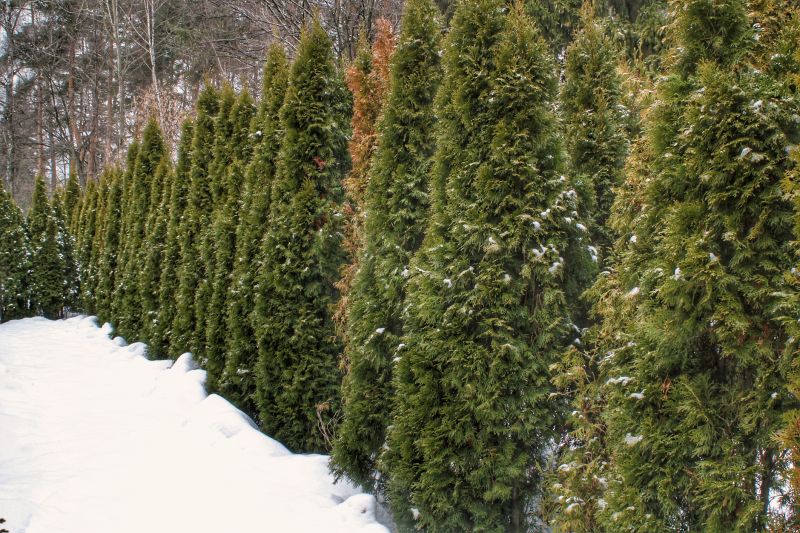
Tree being removed during winter with snow in the background.
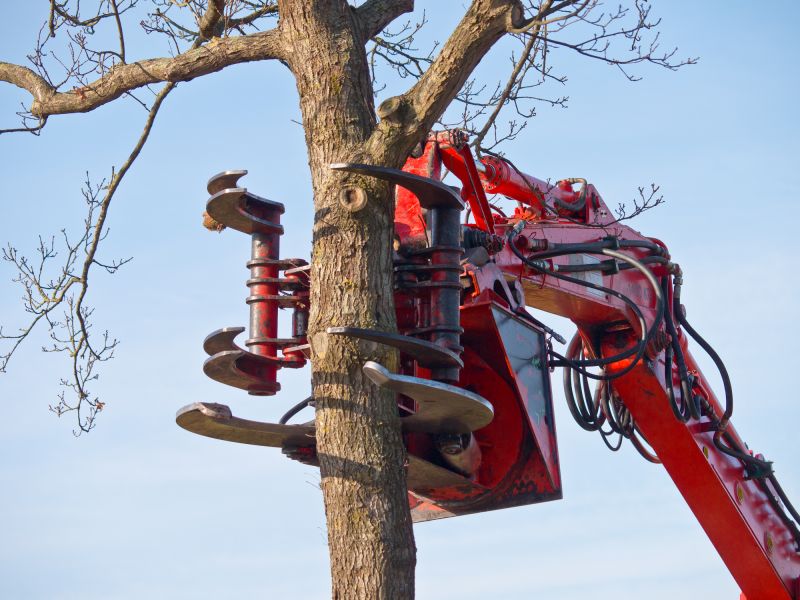
Tree removal equipment in springtime conditions.
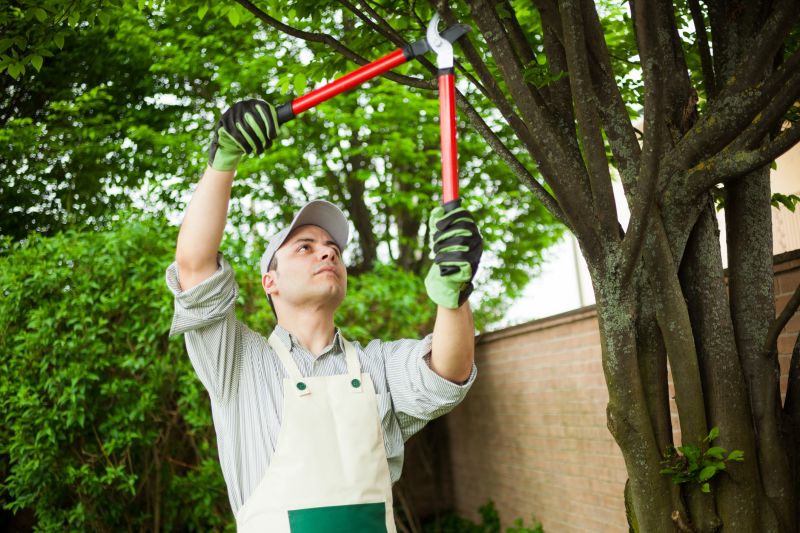
Tree removal process during summer with lush foliage.
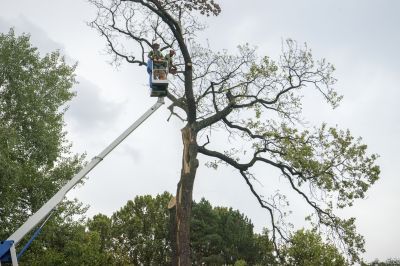
Tree being cut during fall with colorful leaves.
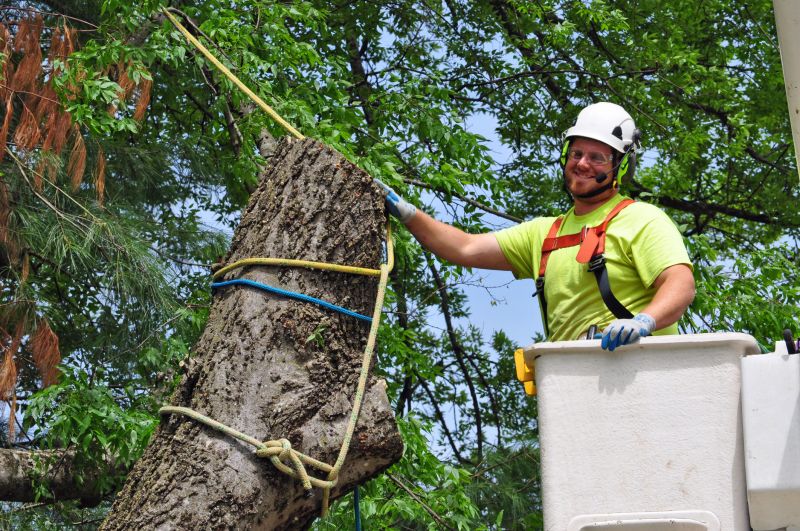
Workers using safety gear during tree removal.
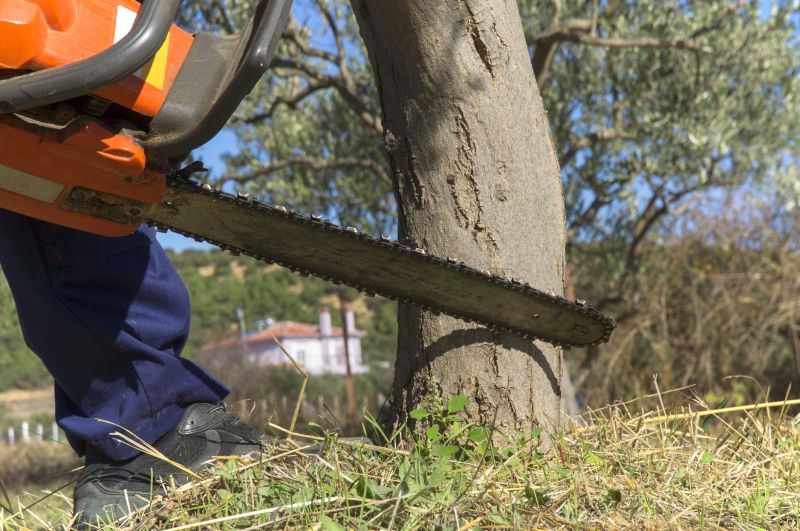
Chainsaws and cranes used in tree removal.
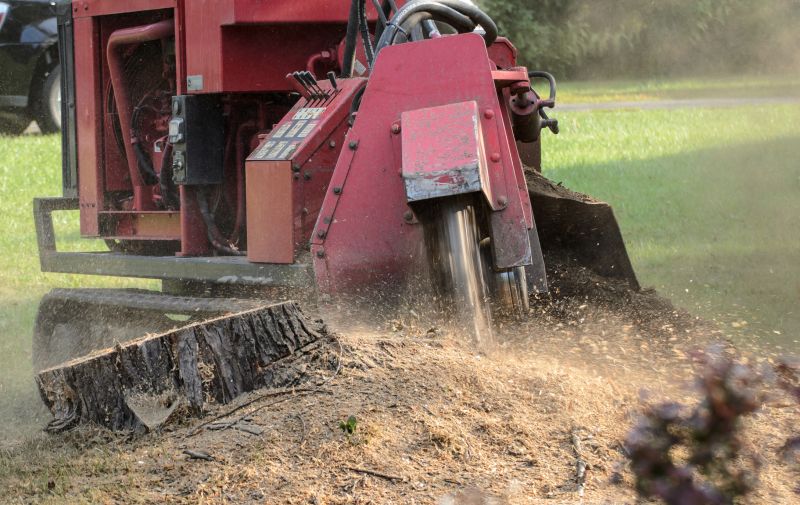
Stump grinding after tree removal.
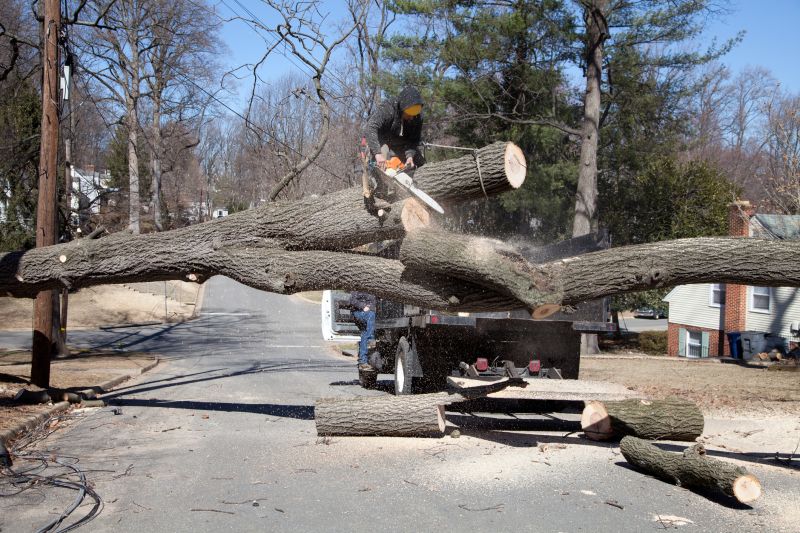
Tree removal near buildings and power lines.
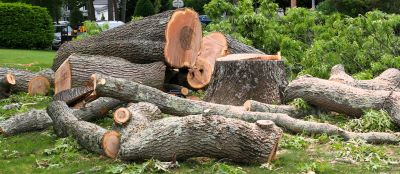
Cleaned-up landscape after tree removal.
| Season | Best Practices |
|---|---|
| Winter | Ideal for safety and minimizing impact on other plants. |
| Spring | Use caution due to active growth; best for emergency removals. |
| Summer | Avoid unless necessary; high sap flow and growth. |
| Fall | Good balance; trees are entering dormancy. |
| Extreme Weather | Avoid during high winds, storms, or heavy rain. |
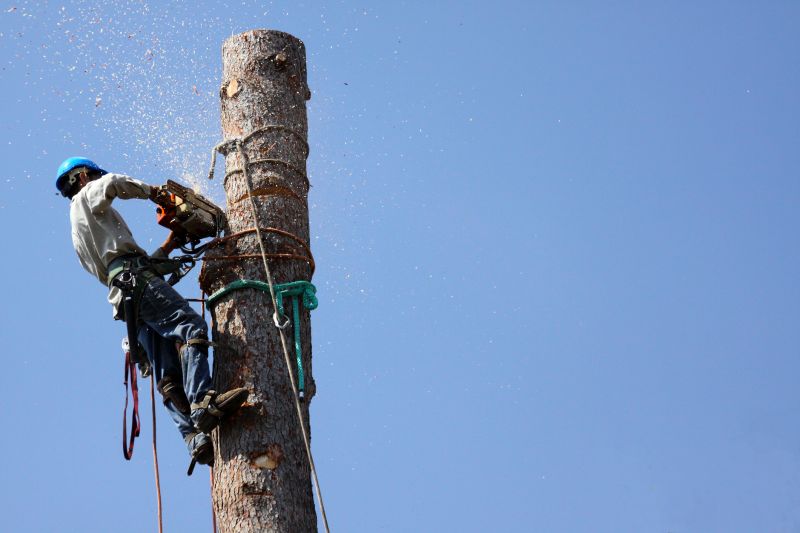
Chainsaws and safety gear used in tree removal.
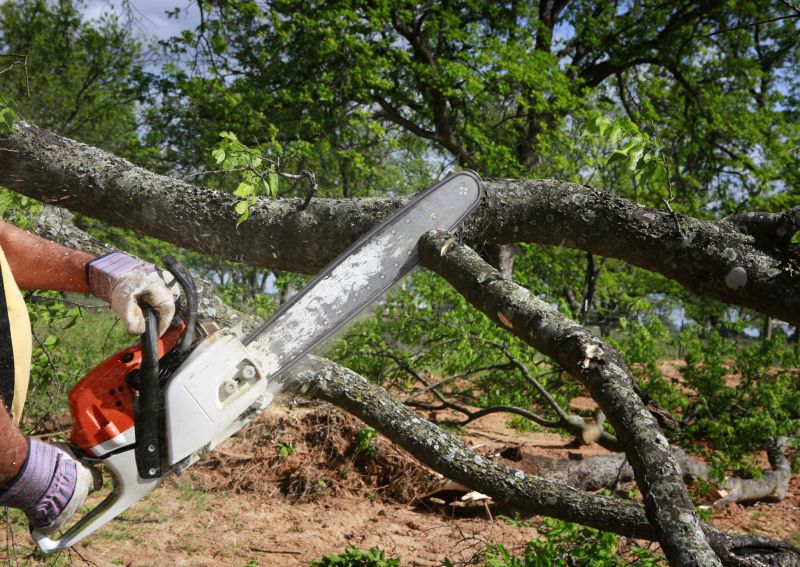
Winter tree removal with snow-covered landscape.
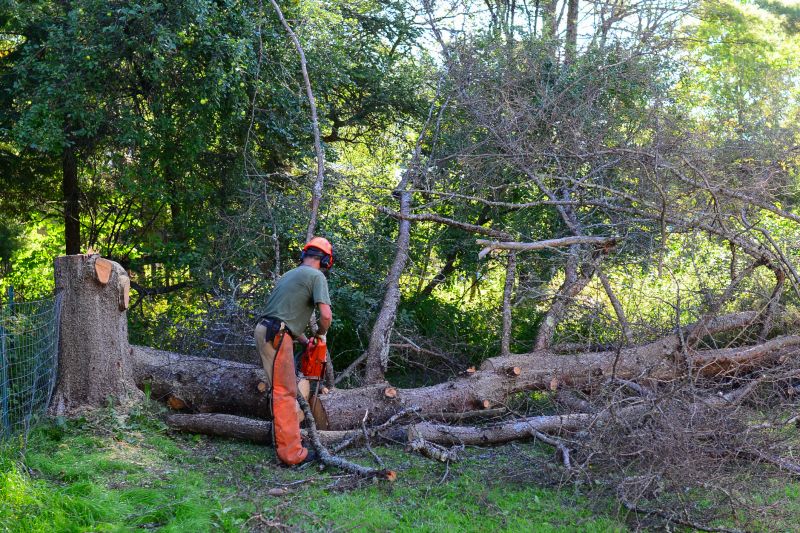
Removing a tree near a building.
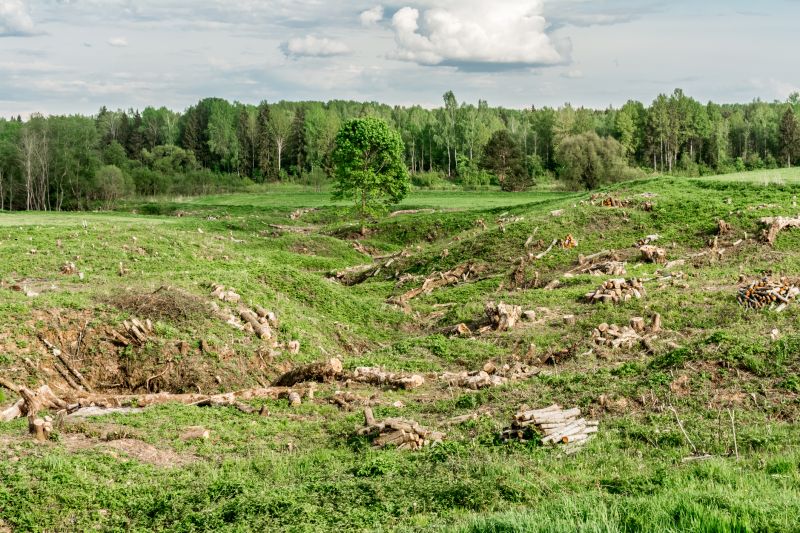
Landscape after tree and stump removal.
Interested in scheduling a tree removal or seeking advice on timing? Filling out the contact form can provide access to professional assistance tailored to specific landscape needs.